
Brand Merch. it’s Everywhere.
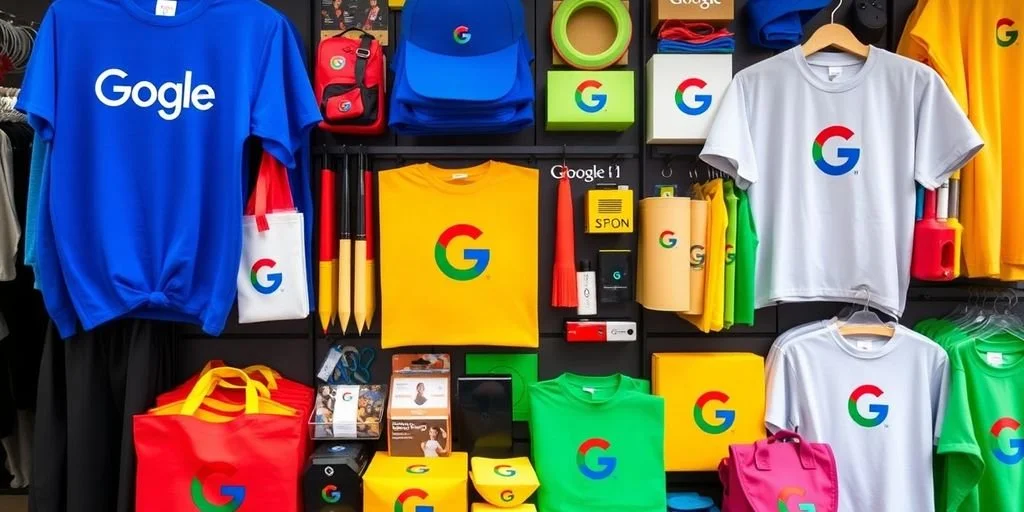
And everyone is buying in.
Walk down any street in a major city. Scroll through your socials. I’s impossible to miss: brand merchandise is everywhere. From the ubiquitous logo hoodies to enamel pins, tote bags, and even luxury sneakers, it seems that every company, celebrity, and franchise is now selling “stuff.” And not just selling it - they’re making it desirable, collectible, and, increasingly, a way to signal who we are.
Brand merchandise has always existed, of course. Think baseball caps with team logos or coffee mugs from your favorite café. But today, merch has moved far beyond the practical or promotional. It’s become a lifestyle statement, a cultural touchstone, and in many ways, a status symbol. The lines between advertising, fashion, and personal identity have blurred. Wearing a branded hoodie isn’t just about warmth - it’s a subtle declaration: “I belong to this culture, this fandom, this aesthetic.”
But it’s not just fashion brands tapping into this trend. Media companies are leaning into merch in ways that would have seemed bizarre two decades ago. Streaming shows, video games, and even podcasts are producing physical goods to complement their digital content. A T-shirt emblazoned with a clever quote from a hit show can function as both fandom badge and conversation starter. For fans, it’s a way to literally wear their enthusiasm. For companies, it’s a revenue stream that doesn’t rely on ads or subscriptions.
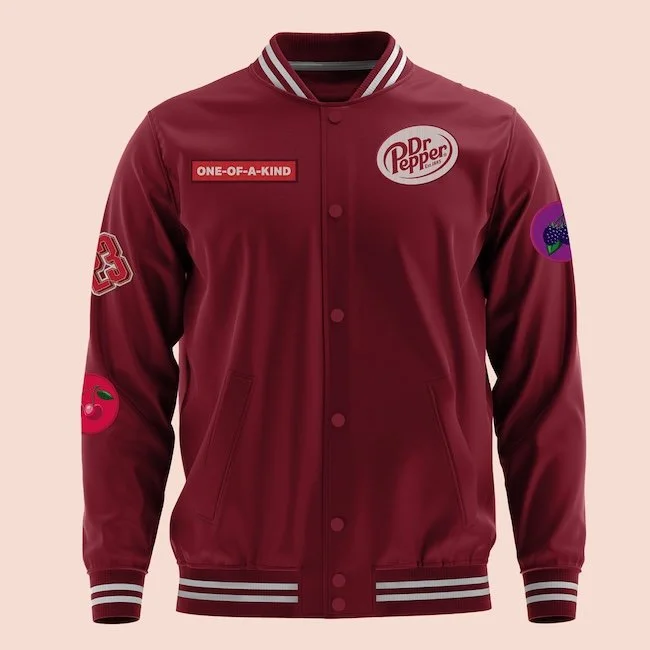
Then there’s the corporate angle. Even “boring” brands - think soda companies or tech giants - have jumped on the merch bandwagon. Limited-edition collaborations and retro logos are suddenly highly collectible. A well-designed logo sweatshirt from a company that’s normally all about spreadsheets or soft drinks can become a surprising fashion statement, blending nostalgia and irony in equal measure. The effect is subtle, but powerful: these products humanize the brand, turning it into something people want to interact with beyond their functional services.
There’s psychology behind this, too. In an era of digital everything, where experiences and connections often exist online, physical merch is a tangible way to communicate identity. Wearing a logo, even casually, signals alignment, taste, and belonging. It’s a modern form of tribalism: you’re not just a consumer, you’re part of a tribe defined by shared interests and aesthetics.
Of course, not all is sunshine and hoodies. Critics argue that this explosion of brand merch feeds into consumerism and the “fear of missing out” economy. The resale culture, in particular, has turned simple products into speculative investments, pushing prices far beyond what the average fan can afford. And while merch can create communities, it can also reinforce exclusivity in ways that feel more about status than shared passion.
Yet, there’s no denying that brand merchandise has cemented itself as a defining element of contemporary culture. It’s democratized in some ways. You don’t need to own the rights to a franchise to participate in it, just buy the T-shirt. But it’s also aspirational, carefully curated, and, yes, a little addictive.
So next time you see someone rocking a logo hoodie or a collectible enamel pin, take a moment. They’re not just wearing “merch.” They’re participating in a complex cultural phenomenon that spans marketing, fashion, fandom, and identity. Brand merch isn’t going away anytime soon. It’s everywhere, and we’re all part of the story.