
Kanye X Yeezy. The Story You Might Not Know.
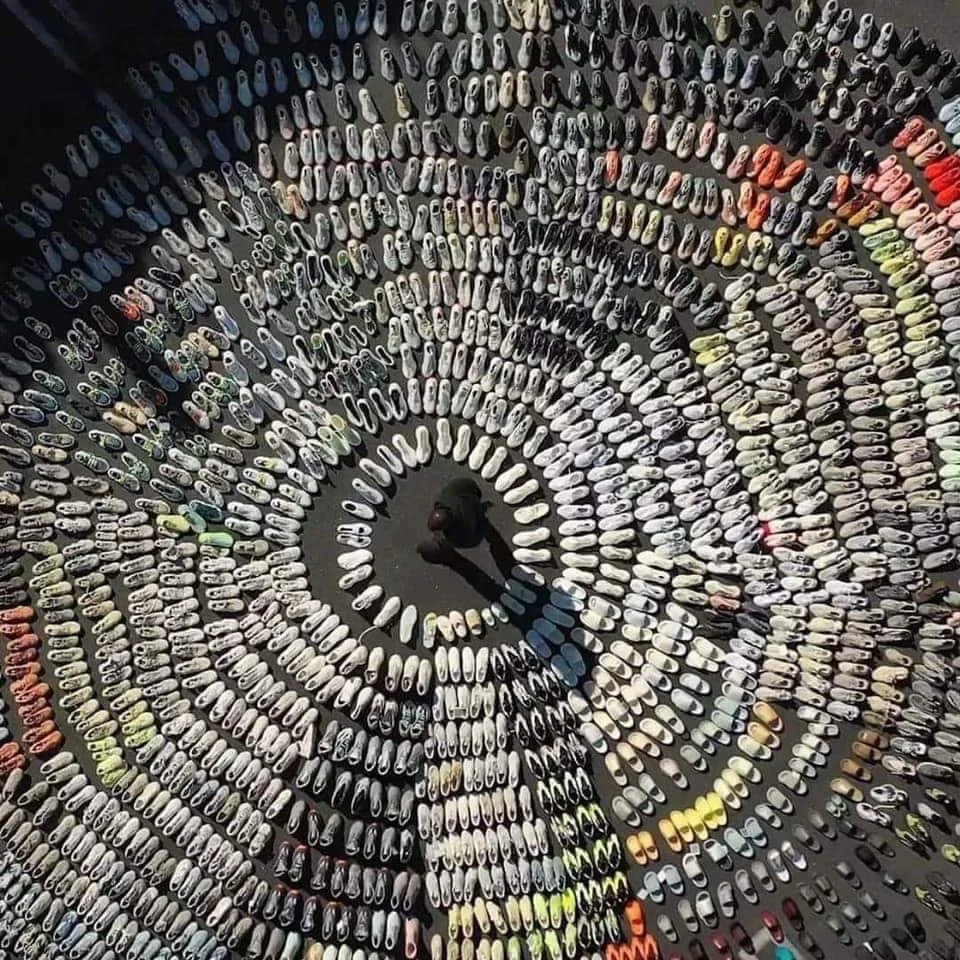
“Yeezus”. The self-proclaimed “God of Rap”. Just those few words alone give you a sneak-peek into the unique mind of Kanye West. Jay-Z was his mentor - and the “Kanyeezy” shout-out in the intro to his 2003 hit “Lucifer” was the left-field but original inspiration behind one of the most famous shoe brands in history.
It all started where you may never have guessed it might. Nike boss Mark Parker got Kanye and Air Jordan creator Tinker Hatfield in a room together. What came out was the beginning of Yeezy history. Kanye was inspired, and at the ‘08 Grammys, West rocked an all black suede prototype of the Nike “Air Yeezy” high-top. This was the very first appearance of one of the most famous pieces of footwear ever made. But not how you might have know it.
In the world of sneakers, few names spark the same mix of desire, debate, and outright mania as Yeezy. Born from the boundless ambition of Kanye West, the line has become more than footwear—it’s a statement, a status symbol, a cultural Rorschach test. But the story of Yeezys is as much about business as it is about hype, as much about strategy as it is about style.
Kanye West’s love affair with shoes predates the Yeezy empire. In 2007, he designed a pair for the Japanese brand A Bathing Ape, complete with a teddy bear logo-a whimsical nod to the playful, obsessive energy that would later define his work. He cultivated friendships with fashion insiders like Hedi Slimane, who recognized his potential early on: “You’re going to do something really strong in shoes,” Slimane told him. Encouraged, West sketched on a plane with Nike CEO Mark Parker, and the seeds of the Air Yeezy were planted.
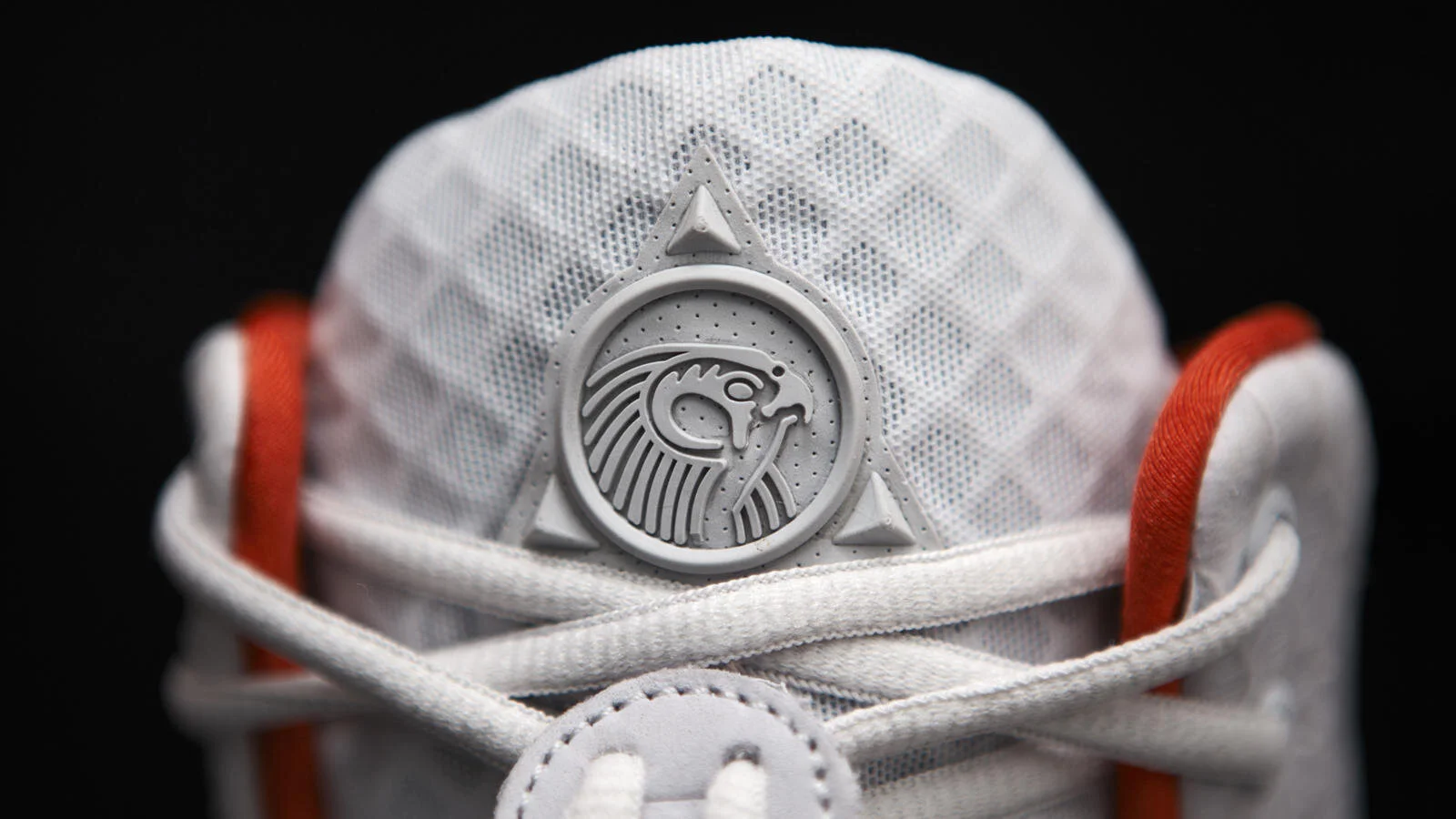
By 2009, West became the first non-athlete to receive a signature shoe deal from Nike. The Air Yeezy 1, with its glow-in-the-dark sole and strap detailing, was more than a sneaker - it was a statement. The follow-up, the Air Yeezy 2 in 2012, solidified the brand’s cult status. Yet despite their success, tensions simmered. West wanted more creative control and, crucially, royalties - a concept Nike historically denied celebrities. “The old me, without a daughter, would have taken the Nike deal,” he later said. “But the new me…takes the Adidas deal because I have royalties and I have to provide for my family.”
That decision, announced in 2013, marked a turning point. Adidas welcomed him with open arms, offering a deal that included a 15% royalty on wholesale - three times the percentage Michael Jordan reportedly receives, without even owning his brand. The partnership debuted in 2015 with the Yeezy Boost 750 at New York Fashion Week. Its high-top silhouette, unique strap, and Boost cushioning technology made an immediate impact. Sneakers sold out within minutes, and the frenzy was just beginning.
Following the 750, the Yeezy Boost 350 transformed streetwear and fashion simultaneously. With its low-top Primeknit construction and aggressive, forward-leaning stance, it married comfort with visual audacity. Each new iteration-reflective editions, regional drops, even biodegradable concepts—kept enthusiasts and collectors on their toes. Scarcity became strategy; surprise releases generated the sort of buzz that made people line up around the block in Moscow or wake at 6 a.m. for a glow-in-the-dark drop.
West’s approach echoes the Apple ethos he admires. “I am a product guy at my core,” he has said. Like Jobs with the iPod, West champions a limited number of carefully curated designs with endless variations, emphasizing joy and experience over raw numbers. Yet the sales figures speak for themselves: by 2019, Yeezy was expected to surpass $1.5 billion in revenue, taking aim at the $3 billion empire of Michael Jordan’s signature line.
The brand has had its missteps. The Yeezy 500, with its “dad-shoe” aesthetic, failed to generate the hype of earlier releases, especially in the shadow of Off-White x Nike collaborations. But Adidas and West recalibrated, focusing on regional and reflective drops that reinvigorated the line and kept the collector culture thriving. In 2019, seven new 700s and multiple 350 v2s reaffirmed Yeezy’s dominance, even expanding into family sizes - a subtle nod to West’s own growing family.
Yeezy is more than sneakers. It’s a cultural lens through which we can see the interplay of music, fashion, and commerce. Kanye West, with his grandiose declarations:
“I. Am. Warhol. I am the number one most impactful artist of our generation”
has made shoes a canvas for ambition, ego, and creativity. The result is a brand that defies conventional limits, where running shoes become high fashion, where scarcity fuels desire, and where every release is a headline in its own right.
The Yeezy story is far from ordinary, but even icons evolved - or, in some cases, come to an official pause. In 2024, Adidas sold off all remaining Yeezy inventory, ending its direct partnership with Kanye West. No new Yeezy releases are coming from Adidas, and the once‑frenzied hype drops are now a thing of history. The brand’s influence lingers, of course - collectors, enthusiasts, and style devotees still chase the older models, and certain classic pairs continue to fetch impressive sums on the secondary market.
Yet this shift marks the end of an era. What started as a boundary-pushing collaboration between an artist and a global brand has become a legacy, a moment in sneaker history that reshaped how culture and commerce collide. Kanye West turned running shoes into high fashion, transformed scarcity into strategy, and made the humble sneaker a canvas for creativity. Even without new releases, Yeezys remain a reference point in design, hype, and the art of making everyday objects feel like treasures.
In the end, the Yeezy saga reminds us that in fashion, as in culture, influence doesn’t vanish overnight - it echoes. And as long as there are collectors, dreamers, and innovators, the imprint of Kanye West’s vision on the world of sneakers will continue to be felt - one sold-out silhouette at a time.