
The Cost Of Being Forgettable.
Most brands think they're competing for attention. They're not. They're competing for memory.
Attention is surprisingly easy to buy. Open Instagram, walk through a train station or watch a football match and you'll find plenty of brands willing to pay for a few seconds of it. Memory is different. Memory has to be earned. That's why some brands spend millions on campaigns that disappear almost as quickly as they arrive, while others become part of culture through something as simple as a tote bag, a sticker or a teddy bear. The difference isn't visibility. It's whether anybody cared enough to remember.
The same principle applies to merchandise.
Walk around any office and you'll find evidence of it. A drawer full of old giveaways. Conference notebooks. Plastic water bottles. Stress balls. Branded gadgets whose purpose has long since been forgotten. Every one of them was commissioned with good intentions. Someone approved the budget. Someone signed off the artwork. Someone believed it would help strengthen the connection between a brand and its audience. The funny thing is that the product is often still there. The problem is nobody remembers why.
For years, merchandise has largely been treated as a numbers game. How many units can we distribute? How cheaply can we produce them? How many people can we put our logo in front of? It's understandable logic, but it misses something important. A logo on an object doesn't automatically make it valuable. If it did, every conference giveaway would become a treasured possession.
Instead, branded products have to earn their place.
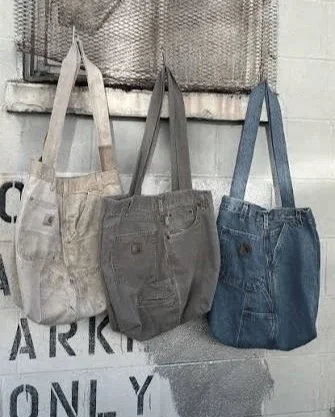
Think about the things people actually keep. The tote bag that's become part of the weekly shop. The water bottle that's travelled from office to gym and back again. The notebook that's still being used six months later. None of these products are revolutionary. Their value comes from something much simpler. They remain useful.
And when something remains useful, it stays around. When it stays around, it becomes familiar. And familiarity is where brand value is built.
Every interaction becomes another touchpoint. Another reminder. Another small moment where a brand earns its place in somebody's routine. Over time, the object stops feeling like marketing and starts feeling like part of everyday life. The campaign may have been forgotten, but the relationship remains.
This is where many brands get caught out. The cheapest option often looks like the smartest decision because it's easy to measure. Cost per unit sits neatly inside a spreadsheet. Utility, desirability and longevity don't. Yet they're often the things that matter most.
A £2 giveaway that gets thrown away after a week may look efficient on paper. A £20 product that remains in circulation for three years tells a very different story. One creates distribution. The other creates presence. One gets handed out. The other gets invited back into somebody's day, again and again.
The strongest brands understand this instinctively. Carhartt's accessories feel like natural extensions of a brand built around utility and durability. Patagonia's merchandise reflects the values people already associate with the company. Even Supreme's most celebrated products often work because they feel connected to a wider cultural story rather than simply carrying a logo. The object makes sense.
And that matters more than many brands realise.
People are remarkably good at spotting when something doesn't quite add up. A sustainability-focused business handing out cheap plastic giveaways feels off. A premium brand producing forgettable merchandise creates the same problem. The product starts telling a different story from the one the company is trying to communicate.
In many ways, merchandise is one of the most honest expressions of a brand because it has nowhere to hide. People use it, ignore it, keep it or throw it away. In doing so, they make a judgement about the company behind it. Unlike advertising, which can be carefully controlled and endlessly refined, merchandise exists in the real world. It has to stand on its own.
Perhaps that's why the best branded objects rarely feel promotional. They feel useful. They feel considered. Most importantly, they feel like they belong.
The brands that leave a lasting impression aren't necessarily the ones spending the most money. They're the ones creating things worth keeping. Because the real cost of being forgettable isn't a wasted budget. It's spending time, effort and money creating something that nobody wanted to remember in the first place.