
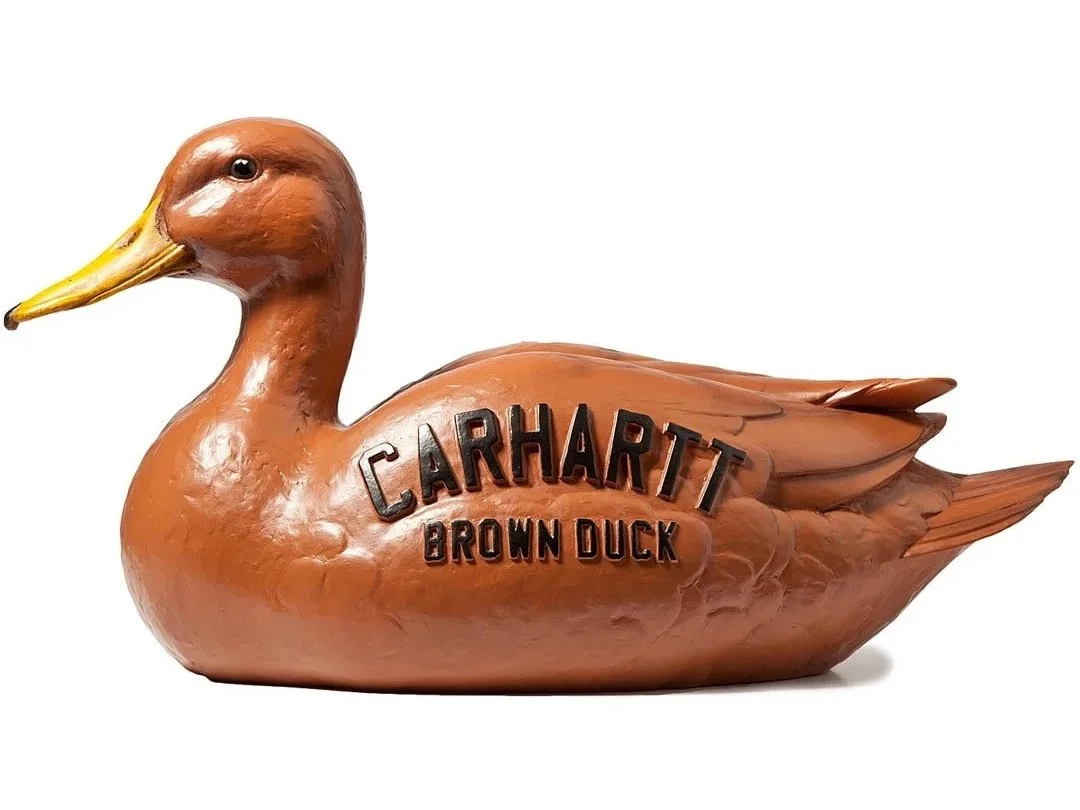
Walk into a Carhartt WIP store and the hierarchy feels slightly different. The jackets are still there, along with the heavy cotton hoodies and work pants that built the brand’s identity. But scattered between them are objects that seem almost incidental: umbrellas, mugs, tote bags, even dog beds.
None of them feel like merchandise.
That distinction matters.
The most interesting brands today are no longer treating merchandise as promotional material. They are creating objects designed to live alongside the consumer. Things that move quietly into routines, homes, desks, and daily life.
A Carhartt umbrella is not especially remarkable on its own. Yet it may become one of the brand’s most consistent touchpoints. It appears unexpectedly but repeatedly, carried through train stations, left in office corners, hung beside front doors. Over time, the object stops feeling branded and starts feeling familiar.
Supreme understood this early. Long before accessories became standard practice, the brand transformed ordinary objects into cultural artefacts. Skate decks, stickers, keychains, pins. Small items that carried disproportionate meaning. Ownership signalled proximity to a world rather than affection for a logo.
The hoodie may generate attention. The accessory builds attachment.
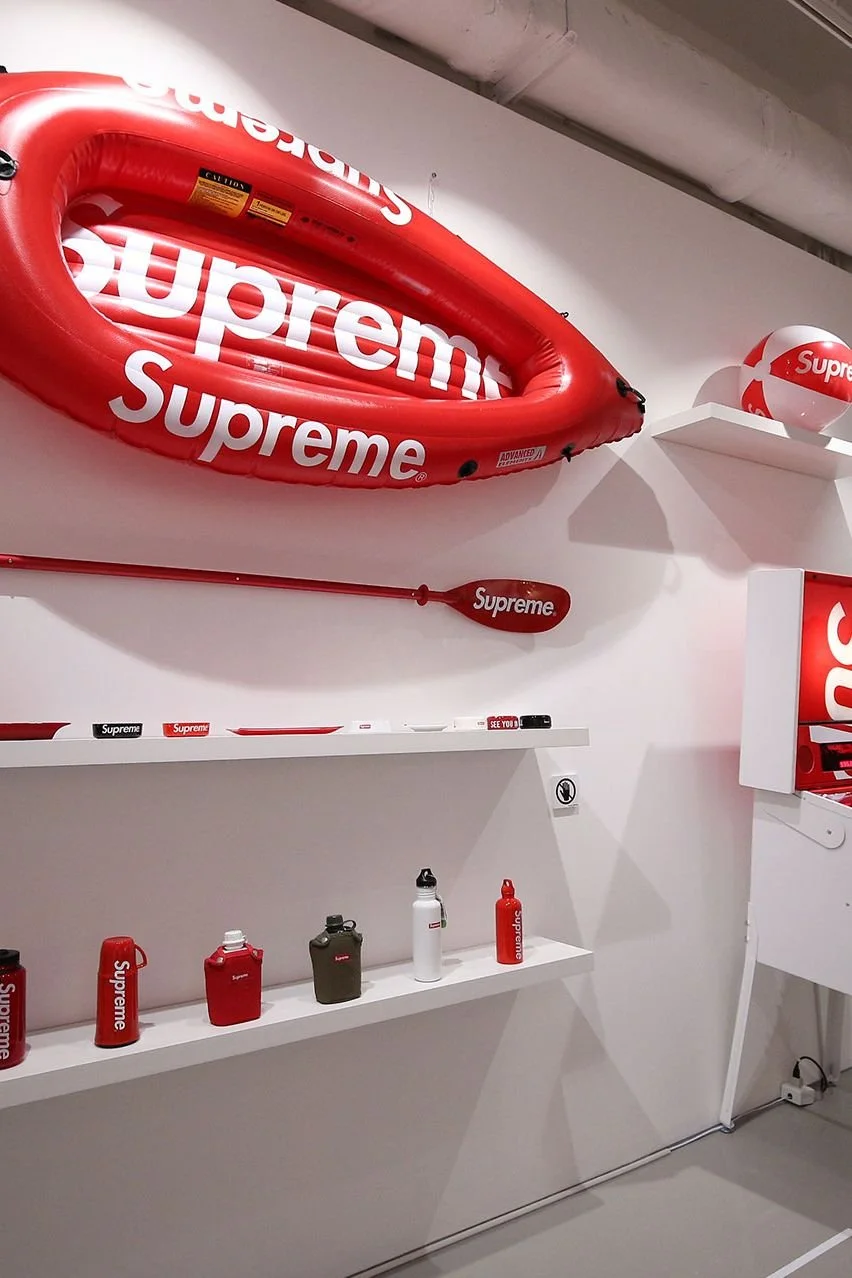
That is because accessories tend to integrate themselves into behaviour. A tote bag carried every day inevitably becomes more personal than a sweatshirt folded in a drawer. A mug on a desk. A notebook worn at the edges. A lighter passed between friends. The object accumulates familiarity simply through use.
Not everyone buys the jacket.
But they might buy the tote bag.
That accessibility is part of what makes accessories so effective. They allow brands to extend participation without diluting identity. Smaller objects become entry points into a wider world. Useful enough to justify keeping, considered enough to feel intentional.
And increasingly, consumers respond to that subtlety.
In a culture saturated with advertising, the most powerful brand objects are often the quietest ones. They do not ask for attention constantly. They integrate naturally into everyday environments. A branded umbrella carried through the city says more than a slogan ever could.
This shift extends well beyond fashion. Independent cafés now treat mugs and tote bags as carefully as interiors. Technology companies release desk objects and laptop sleeves that feel closer to lifestyle products than promotional giveaways. Boutique hotels sell candles, robes, and accessories designed to preserve atmosphere long after checkout.
The smartest brands are not simply producing merchandise.
They are building objects people choose to keep.
And in an economy built increasingly around identity, taste, and belonging, that difference matters more than ever.