
The Teddy Bear That Broke Tik Tok.
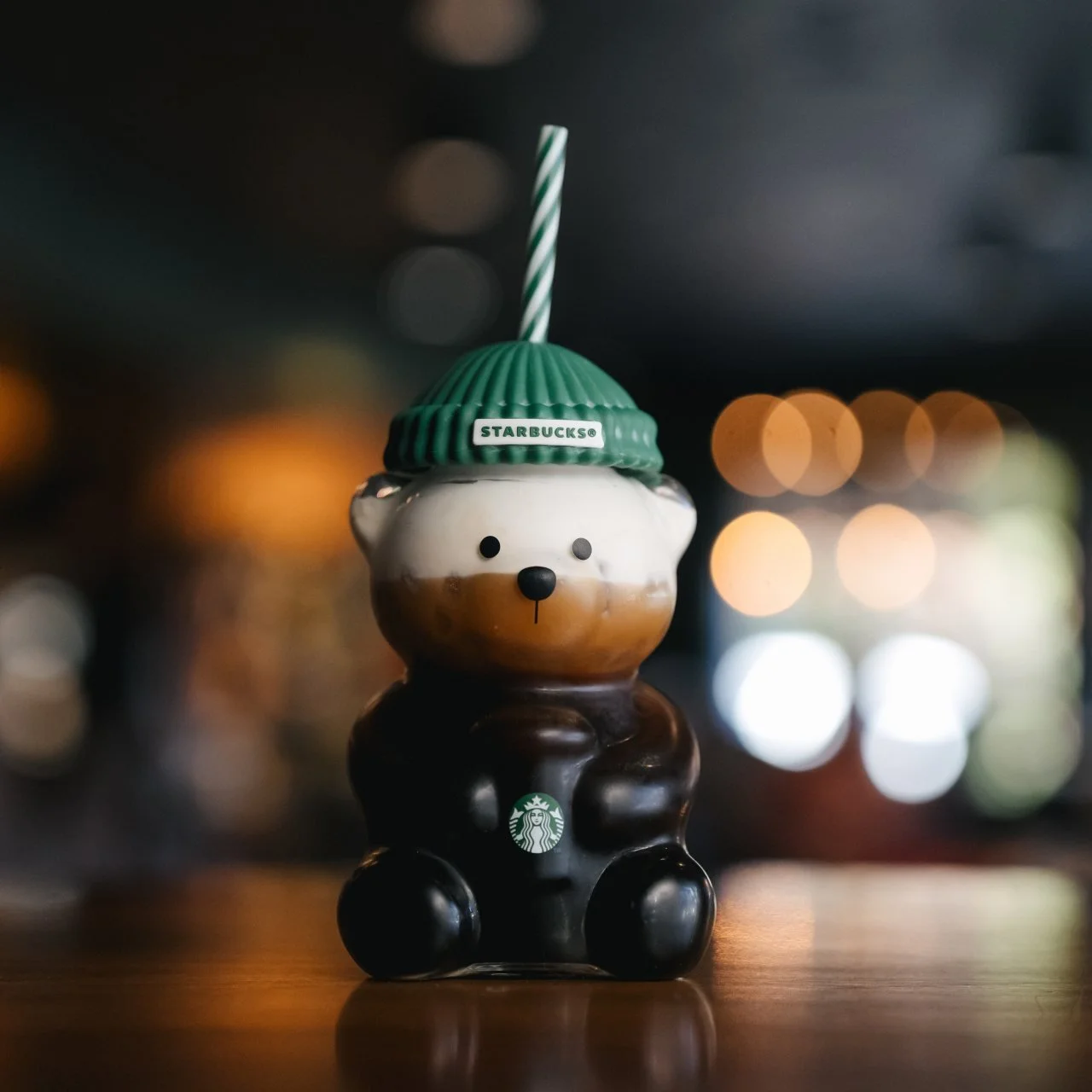
And it wasn’t Ted and Mark Wahlberg. It started, as so many current trends do, with a cup. Step aside Stanley. It’s a bear-shaped cup, to be precise - a round-bellied, plastic-and-glass Starbucks tumbler with tiny ears, a winter hat for a lid, and the faintest expression of cheer on its face. The “Bearista Cup”, as it’s been affectionately nicknamed, was meant to usher in the holiday season. Instead, it unleashed a small storm of obsession.
Across cities, customers lined up before sunrise. Videos surfaced of people sprinting into stores, only to find the shelves already bare. Some baristas confessed that their store received only a handful of cups; others said they vanished within minutes. By the time most people heard about it, resale listings were already climbing into the hundreds of dollars.
On the surface, it’s crazy. The kind of consumer moment that feels too trivial to explain and too revealing to ignore. Why are we losing our minds over a cup? But beneath the surface, this is Starbucks doing what it does best: transforming an everyday ritual into an emotional, cultural, and even social event.
More Than Just a Cup of Coffee.
For decades, Starbucks has been in the business of ritual. The red holiday cups. The first Pumpkin Spice Latte of the season. The quiet satisfaction of your name (misspelled or not) handwritten on a white paper cup. The Bearista Cup isn’t an accident of design; it’s a calculated continuation of that same tradition - one that makes the customer part of something bigger, something seasonal and sentimental.
The bear, after all, is more than just cute. It’s nostalgia wrapped in plastic - a plush toy reimagined for adulthood. Comfort disguised as caffeine culture. It’s whimsical and limited-edition, two adjectives that reliably activate the modern consumer’s sense of urgency. Scarcity breeds value; value breeds community. Suddenly, people aren’t just buying coffee. They’re chasing a piece of the story.
The Art of the Drop.
In recent years, Starbucks has begun to resemble a lifestyle brand more than a coffee chain. The Bearista frenzy feels less like a fluke and more like a deliberate play from the same handbook used by sneaker companies and streetwear labels: the “drop.” Release something rare, spark conversation online, and watch demand turn into devotion.
When fans post their finds - the cup gleaming in a car cup holder, the bear peeking out from a manicured hand - they aren’t just showing off a purchase. They’re signaling belonging. The Bearista becomes a badge: proof that you were there, part of the moment, lucky enough (or fast enough) to score one. In a culture where everyone is chasing moments that feel special, Starbucks has turned a piece of molded plastic into an emblem of connection.
A Brand That Sells Feeling, Not Just Coffee.
Starbucks has always understood that the real product it sells isn’t just coffee; it’s comfort. It’s the pause between meetings, the soft hum of espresso machines, the familiar green logo promising predictability in a chaotic world. Merchandise like the Bearista cup amplifies that emotional brand promise. It’s not about utility - no one needs another tumbler - but about the feeling it evokes.
Owning it becomes a small act of joy, a daily reminder of a brand that has managed to intertwine itself with the rhythms of everyday life. You don’t just drink your iced latte out of a bear-shaped cup; you participate in a shared cultural moment.
The Fine Line Between Fandom and Frenzy.
Of course, there’s a darkly comic edge to the whole thing. The scarcity that drives hype also breeds frustration. Videos of empty shelves and disappointed fans feel like déjà vu from the world of sneaker culture - another sign that our collective craving for exclusivity can make even a coffee run feel competitive.
But perhaps that’s the strange genius of it. In an era where so many experiences happen through screens, the Bearista cup demanded physical presence. You had to show up. You had to hunt. You had to talk about it. In that way, it did what the best marketing stunts (and the best cultural objects always do) - it got people to care.
The Last Sip.
So yes, it’s “just a cup.” But it’s also a master class in how brands build culture one small obsession at a time. Starbucks didn’t simply sell a something to drink your cold brew from - it sold the feeling of being in on something delightful, something exclusive, and something slightly ridiculous - which is to say, something very human.
In the end, maybe that’s why the Bearista cup captured so much attention. It offered a little moment of magic in a year that could use more of them. A reminder that even in the everyday - even in your morning coffee - there’s room for a bit of wonder, a touch of play, and, if you’re lucky, a teddy bear smiling back at you through the steam.